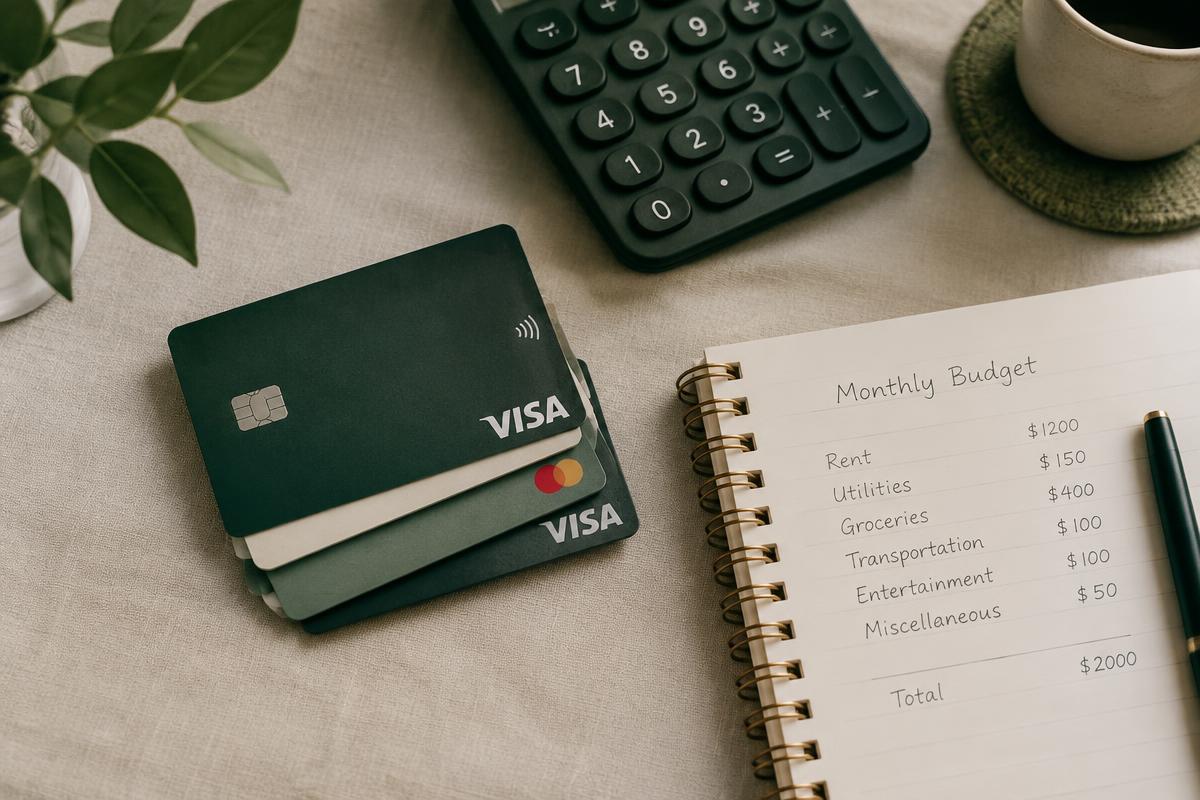
What Revolving Debt Costs You Per Day
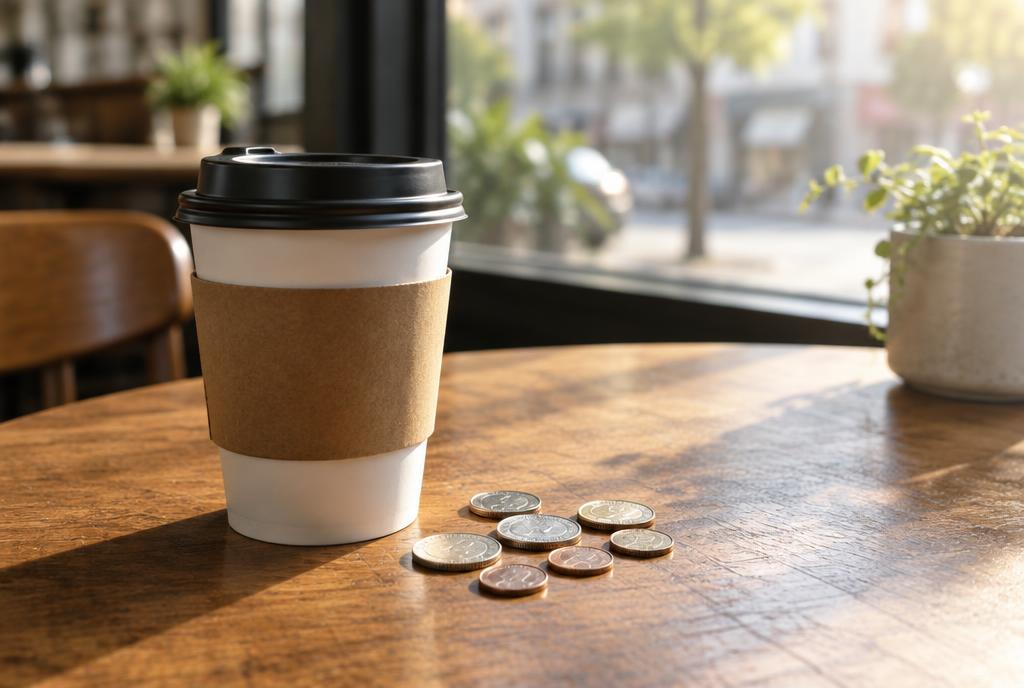
Annual rates are abstract. "$3.29 a day" is a cup of coffee. Converting the cost changes what people do about it.
Editorial note: Our content is independently written. We may earn a commission from partner links. Learn more.
Key takeaways
- Balance × APR ÷ 365 is what you pay every day for not having paid it off yet.
- $5,000 at 24% is $3.29/day; $15,000 at 26% is $10.68/day.
- The daily number moves when you pay — you can watch it drop.
Divide your balance by 365 and multiply by your APR. That's what you pay every day for the privilege of not having paid it off yet.
$5,000 at 24% = $3.29/day
$6,000 at 29.99% = $4.93/day. $15,000 at 26% = $10.68/day. The meter runs on weekends, holidays, and while you sleep.
Why the daily number works
- It's on the same scale as the decisions that created the debt. A $4.93 daily charge competes directly with a $4.93 purchase.
- It's falsifiable. Pay $500 toward the balance and tomorrow's charge drops by about 40 cents. You can watch it move.
- It compounds visibly. Thirty days of $4.93 is $148, which becomes part of next month's balance, which raises the daily rate.
Turn it into a habit
Put the daily number in the note field of your main checking account, or on the lock screen. Recalculate it once a month after the statement. When it hits $1 a day, you're close; when it hits zero, you've bought yourself a raise worth whatever the number was when you started.
The reverse view
A $3,000 emergency fund earning 4% pays you about 33 cents a day. The same $3,000 on a 24% card costs about $1.97 a day. That six-to-one ratio is why paying down the card almost always comes before building the fund beyond one month of expenses.
The reframe
The meter runs on weekends, holidays, and while you sleep.