Will a Debt Consolidation Loan Hurt My Credit?
Short answer: maybe a little at first, and potentially a lot better over time. Here's what actually moves your score.
By Marcus ElleryUpdated October 12, 2026 · 6 min read
Editorial note: Our content is independently written. We may earn a commission from partner links. Learn more.
Key takeaways
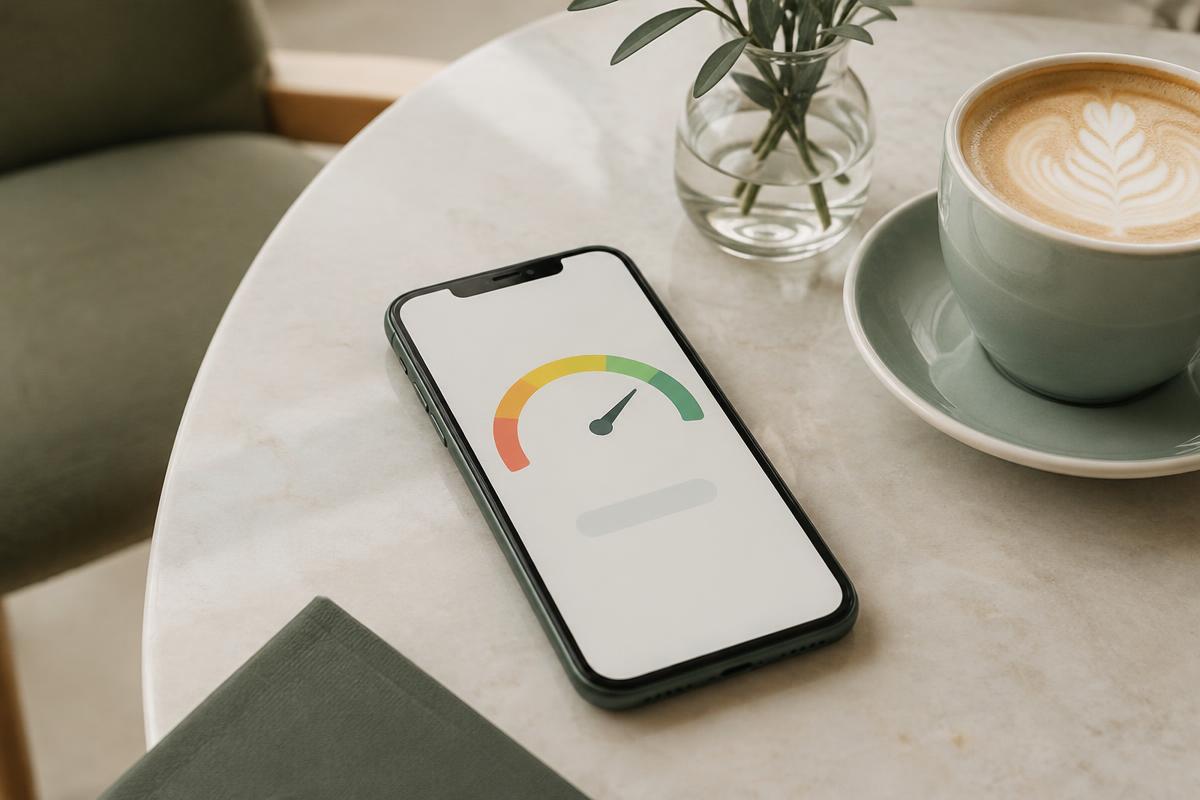
- Prequalifying usually uses a soft pull that doesn't affect your score.
- A formal application triggers a hard inquiry, which typically lowers scores by a few points temporarily.
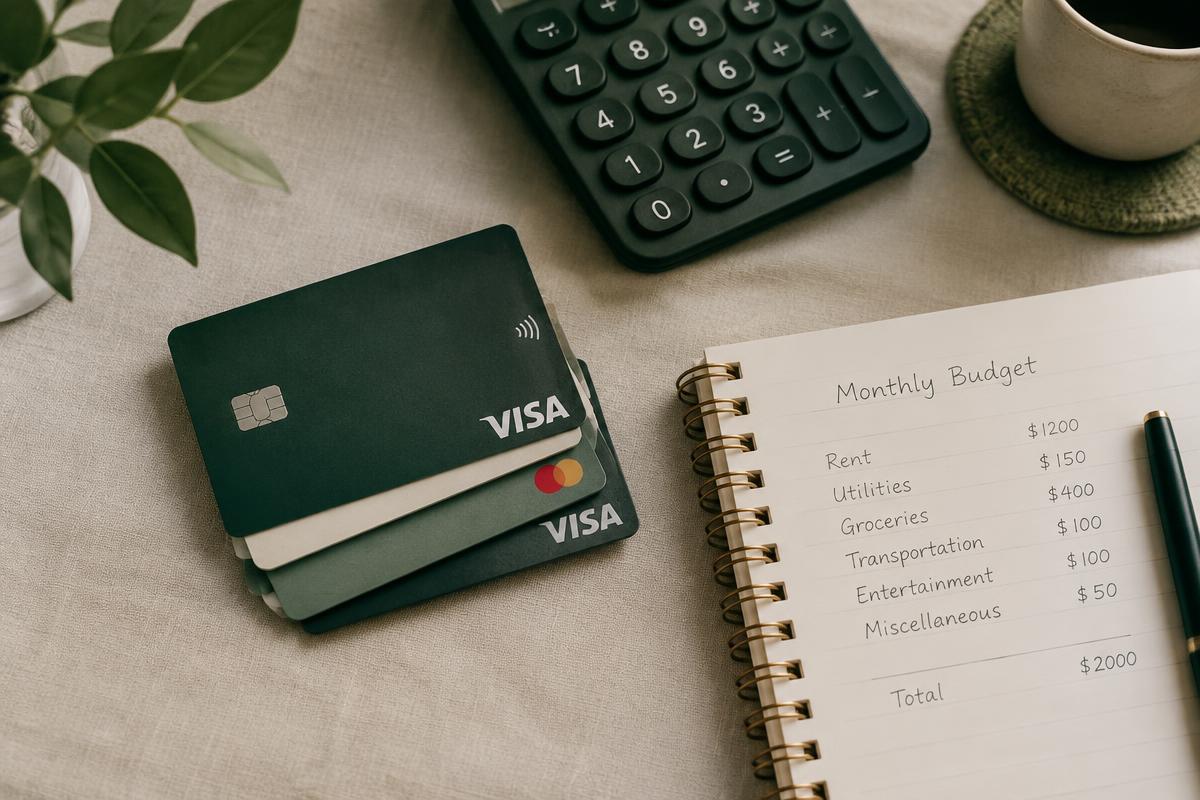
- Paying off cards lowers your utilization, one of the biggest factors in your score.
It's a fair worry: you're trying to fix your finances, and the last thing you want is a lower credit score. The good news is that the effects are usually small and short-lived — and the long-term effect is often positive.
What can lower your score
- A hard inquiry when you formally apply — usually a small, temporary dip.
- A new account lowering the average age of your accounts.
- Closing old cards after paying them off, which can reduce available credit.
What can raise your score
- Lower credit utilization once card balances are paid down.
- A record of on-time installment payments.
- A healthier mix of credit types.
~30%
Share of a FICO® Score based on amounts owed, including utilization
How to minimize the dip
- Prequalify first so you only formally apply where you're likely to be approved.
- Keep paid-off cards open (if they have no annual fee) to preserve available credit.
- Set up autopay so you never miss a payment on the new loan.
Bottom line
A small, temporary dip is common. What matters most is what you do next: pay on time and avoid running the cards back up.